
One of the most unfortunate and painful experiences a patient can endure is a root canal. This usually happens if cavity infects the nerve of a tooth.
One of the main reasons to regularly get a checkup and your x-rays is so that we can make sure your cavities remain small. We can remove the cavity and give you a small filling, and essentially by monitoring that annually with X-rays, we can make sure that you NEVER get a root canal. A root canal usually gives patients get that throbbing excruciating pain that keeps you up all night. Sometimes however, it can be seen on X-rays, and other times there’s even pus in the mouth from bone infections. Chances are, if its reached this point, you were probably avoiding the dentist, or you’ve had multiple deep fillings that have eventually resulted in a root canal.
During a root canal, we remove the nerve, sterilize the tooth, and then seal the tooth. Essentially the tooth is now mummified. You have a hollow tooth. So this way, yes the tooth is dead, but you get to keep the tooth. The only problem is that the tooth now becomes brittle. It’s hard, but it’s more like glass. So it’s very important that we put a helmet on this tooth so that way you get to keep the tooth and it doesn’t shatter in your mouth. One of the most commonly extracted teeth are root canal treated teeth that were not crowned.
One of the benefits of getting a root canal done here at R Dentists is that we use a microscope. This essentially allows us to see the tooth in such high detail, that we can just provide better quality service. I feel like I can see the soul of the tooth.
People sometimes wince at the expression root canal, and that flinch is exactly why Karma Dentistry keeps its technique modern and practically pain-free. We deliver the procedure with the same comfort and attention you expect in any other part of your care plan.
A root canal clears an infected nerve chamber, cleans the tooth from the inside, and then seals up the space so that the tooth can continue to do its job in your bite. That approach steels the tooth against future infections and lets you keep the natural smile that felt threatened.
Most of the time the choice is easy: deep decay has hollowed out the pulp, or a crack from an accident has let bacteria wander in. Warning signs range from sharp jolts when something hot hits the tooth to swelling in the cheek or even a hue change that leaves the tooth looking darker than its neighbors.
Understanding the Root Canal Therapy
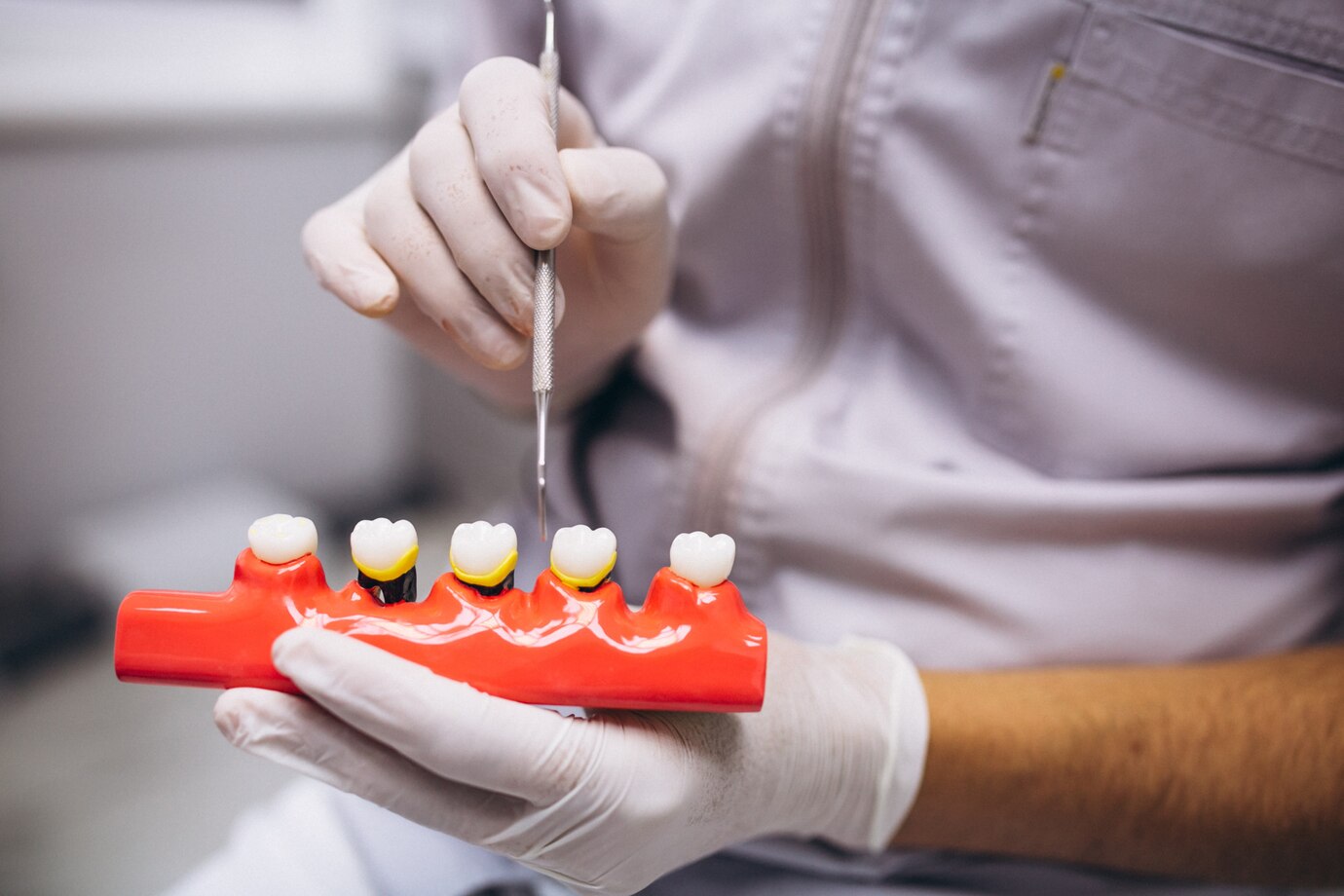
Teeth are not solid objects, as they appear. The outermost layer, which we see, is an ultra-hard material called enamel. Beneath that is a softer, solid material called dentin. In the centers of teeth are hollow chambers with canals extending through the roots to the bone. This is where nerves, blood vessels, and other soft tissues (known as the dental pulp) are housed.
Fractures, deep cavities, and other tooth damage can create a path for bacteria to reach the dental pulp, causing infection in the middle of the tooth and root. The resulting inflammation, pressure, and nerve irritation can cause many problems, including:
- Frequent toothaches
- Tooth sensitivity
- Abscesses and other infections near the tooth
- Pain when eating
Inside the clinic, we lean on high-definition imaging and layered X-rays to map exactly what is happening beneath the enamel. Once the pictures are in hand, the team discusses the findings and outlines whether root-canal therapy offers the quickest, safest road back to painless chewing.
A contemporary root-canal procedure at Karma Dentistry emphasizes patient comfort, clinical precision, and outcomes that endure. Dr. Macdonald, senior endodontist, routinely completes the intervention in one or occasionally two sessions when digital radiography and a rotary-system torque dialed to the canals torque threshold are engaged. Vibrating light instruments limit tactile pressure, leaving most patients surprised to describe the event as no worse than a common restorative filling. Swelling or throbbing afterward is seldom reported.
Root Canal Therapy & Treatment: About the Procedure
Without treatment, the symptoms will worsen, eventually leading to loss of the tooth. The treatment process is performed in several, precise steps:
- First, the area is numbed. This should stop any pain, unless significant swelling has already occurred.
- The tooth is isolated with a rubber dam, which keeps it dry.
- Your dentist will remove decayed material, and create a small opening to access the infected pulp.
- The chambers and canals are cleaned using a special type of file that removes diseased tissue. They are then sterilized to prevent any lingering infection.
- The spaces are filled with a material called gutta percha, and sealed.
- The final step is restoring the tooth with a beautiful porcelain crown. The crown acts as a helmet for the tooth, providing it strength as well as sealing the root canal to prevent leakage.
Inside the clinic, we lean on high-definition imaging and layered X-rays to map exactly what is happening beneath the enamel. Once the pictures are in hand, the team discusses the findings and outlines whether root-canal therapy offers the quickest, safest road back to painless chewing.
A contemporary root-canal procedure at Karma Dentistry emphasizes patient comfort, clinical precision, and outcomes that endure. Dr. Macdonald, senior endodontist, routinely completes the intervention in one or occasionally two sessions when digital radiography and a rotary-system torque dialed to the canals torque threshold are engaged. Vibrating light instruments limit tactile pressure, leaving most patients surprised to describe the event as no worse than a common restorative filling. Swelling or throbbing afterward is seldom reported.
The facility places equal stock in bedside demeanor, not just mechanical speed. Each time a root canal appears on the schedule, a technician walks the patient through the tomographic scan, answering every what if before the first drape is lowered. Soothing headset music, warmed blankets, and topical distraction staff keep anxiety at bay while endodontic magnifiers trace each millimeter of dentin. Even small details, from the LED lights angled away from the eyes to the chosen local anesthetic blend, are pruned for excess stress. That steady, professional insistence on ease of experience is why returning insurance planners and nervous sociology majors alike label the visit their best dental hour yet.
A root canal often leaves a tooth in need of added protection; our team usually recommends a custom crown to bolster the dentin and enamel. The laboratory in the office can mill that prosthesis on the same day, so the color and contour match what already sits in the arch. With conscientious home hygiene, many patients keep the treated tooth for decades or longer.
Karma Dentistry approaches the procedure less as punishment and more as preservation. Mississauga families tell us the modern techniques we use turn a once-dreaded visit into a straightforward hour that ends the ache and spares the root. Nitrous, gentle handpieces, and a calm workspace help keep nerves in check.
Pain that lingers past an afternoon usually signals an issue; waiting seldom improves the situation. A quick phone call books an evaluation, and the X-ray often reveals whether nerves, canals, or both are compromised. Prompt care shuts off infection and restores the freedom to chew in comfort, sunlight, and good company again.
Contact Karma Dentistry today for a consultation.